Fueling
What to eat before a long ride or long run
What to eat before a long ride or long run: 1 to 4 g/kg of carbs 1 to 4 hours before, low fat and fiber, how much to drink, and example pre-session meals.

Before a long ride or long run, eat a carbohydrate-based meal of about 1 to 4 g of carbohydrate per kg of body mass, 1 to 4 hours before you start [1]. A practical approach is to scale the amount to the time you have. Keep the meal low in fat and fiber and stick to foods you know, so it tops up carbohydrate without adding gut stress before a long session [1]. Keep it low in fat and fiber with a low to moderate amount of protein, use foods you have tested, and drink about 5 to 10 mL of fluid per kg in the 2 to 4 hours before [1]. Eating before sessions longer than about an hour tends to improve performance compared with training fasted [2].
Why eat before a long session at all?
Two fuel stores matter for long sessions: muscle glycogen and liver glycogen. Liver glycogen keeps blood glucose stable, and it falls substantially overnight. In one 13C magnetic resonance study, liver glycogen was significantly lower in the morning after an overnight fast while calf muscle glycogen changed very little [3]. A morning meal mainly tops up the liver and supplies glucose for the first part of the session.
The performance data point the same way:
A meta-analysis of 46 studies found that pre-exercise feeding improved prolonged aerobic performance but not shorter aerobic exercise [2].
In cyclists, a liquid feed of 312 g of carbohydrate 4 hours before 95 minutes of interval cycling improved a subsequent performance trial by 15% compared with placebo [4].
In runners, a carbohydrate meal 3 hours before a run at 70% VO2max extended time to exhaustion (111.9 vs 102.9 minutes), and adding a carbohydrate drink during the run extended it further (125.1 minutes) [5].
The last point matters. The pre-session meal and fueling during the session work together. See how many carbs per hour on the bike.

How many carbs should you eat before a long ride or run?
The joint ACSM, Academy of Nutrition and Dietetics and Dietitians of Canada position paper recommends 1 to 4 g/kg of carbohydrate in the 1 to 4 hours before exercise lasting more than 60 minutes [1]. A practical way to use that range is to scale the amount to the time available. The chart below is our interpretation of the published range, not a separate guideline.
Whatever amount you choose, test it in training before using it on a key day.
What should be in a pre-ride or pre-run meal?
The position paper recommends pre-event foods that are low in fat, low in fiber and low to moderate in protein, because these are less likely to cause gastrointestinal problems [1]. It also suggests including a protein source alongside at least 1 g/kg of carbohydrate [1].
Fiber deserves attention. In a survey of 55 male triathletes about their most recent half-Ironman race, every athlete who reported intestinal cramps had eaten fiber-rich foods in the pre-race meal, compared with 10% of those without cramps [6]. In the same study, all athletes who had eaten within 30 minutes of the start vomited during the swim, and fat and protein intake was higher in those who vomited or felt the urge to [6]. That is observational data from one race, but it matches the guideline advice.
Good low-fiber, carbohydrate-rich options (examples):
White toast, a white bagel or English muffin with jam or honey
White rice or rice porridge
Oats made with water or milk (moderate fiber, so test it)
Ripe bananas
Fruit juice
Pancakes with syrup
Plain yogurt or a small amount of eggs for the protein part

Does glycemic index matter before a long ride?
Probably not much. A 2017 meta-analysis of 19 crossover studies found no clear performance benefit of a low-GI pre-exercise meal over a high-GI meal, whether or not carbohydrate was taken during exercise [7]. The position paper’s evidence review reached a similar conclusion for the glycemic index of the diet when carbohydrate and energy are matched, although it notes that low-GI choices may provide a more sustained source of fuel when carbohydrate cannot be taken during exercise [1]. Choose foods for gut comfort and familiarity rather than GI.
Should you avoid carbs in the hour before you start?
The fear is “rebound” hypoglycemia, a drop in blood glucose early in exercise after a carbohydrate snack. A review of the available studies concluded that the risk to performance is minimal, with almost all studies showing unchanged or improved performance, and that advice to avoid carbohydrate in the hour before exercise is unfounded [8]. Some athletes do get symptoms that feel like low blood sugar, even though these are rarely linked to measured low glucose, so the review recommends an individual approach [8]. If you notice those symptoms, experiment with the timing of your last snack in training.
Is eating before a long run different from before a long ride?
The carbohydrate target is the same, but gut tolerance can differ. Studies suggest that 30 to 50% of athletes experience gastrointestinal complaints [9], and in the triathlon survey above more symptoms occurred while running than at other times in the race [6]. If you are prone to symptoms on long runs, reasonable adjustments are:
Eat a little earlier before a long run, so more of the 1 to 4 hour window has passed
Choose the lowest-fiber, lowest-fat options from the list above
Use liquid carbohydrate, such as juice, for the final hour
These are practical suggestions rather than tested protocols. Test your own plan in training.
How much should you drink before a long session?
The position paper suggests about 5 to 10 mL of fluid per kg of body mass in the 2 to 4 hours before exercise, aiming for pale yellow urine and leaving time to pass any excess [1]. For a 70 kg athlete that is about 350 to 700 mL.
Can you do long rides or runs fasted?
You can, but it is a training tool with a cost. Fasted exercise increases fat availability and may support some metabolic adaptations, while pre-exercise feeding improves performance in prolonged sessions [2]. The “fuel for the work required” framework suggests adjusting carbohydrate availability to the demands of each upcoming session, using reduced-carbohydrate sessions periodically and making sure absolute training intensity is not compromised [10]. By that logic, a long ride with intervals or a long run with race-pace work is a session to fuel, not to do fasted.
Example pre-session meals (70 kg athlete)
These are examples to adapt, built from the 1 to 4 g/kg range [1]. Check carbohydrate amounts against package labels or a food database.
3 hours before a 4-hour ride (aim: about 210 g carbohydrate)
White bagel with jam, a bowl of white rice or rice porridge with honey, a ripe banana, a glass of fruit juice, a small pot of plain yogurt. Water across the morning.
2 hours before a 2.5-hour long run (aim: about 140 g carbohydrate)
Two slices of white toast with honey, a banana, a glass of fruit juice. Keep any protein small, for example a small yogurt.
Early start with only 1 hour (aim: about 70 g carbohydrate)
A banana and a glass of juice, or white toast with jam. Plan to start fueling early in the session.
If the long session comes the day after a hard one, what you ate the day before matters as much as breakfast. See rest day vs training day nutrition. Before a race longer than 90 minutes, see carb loading for a marathon, 70.3 or Ironman.
How reload handles this
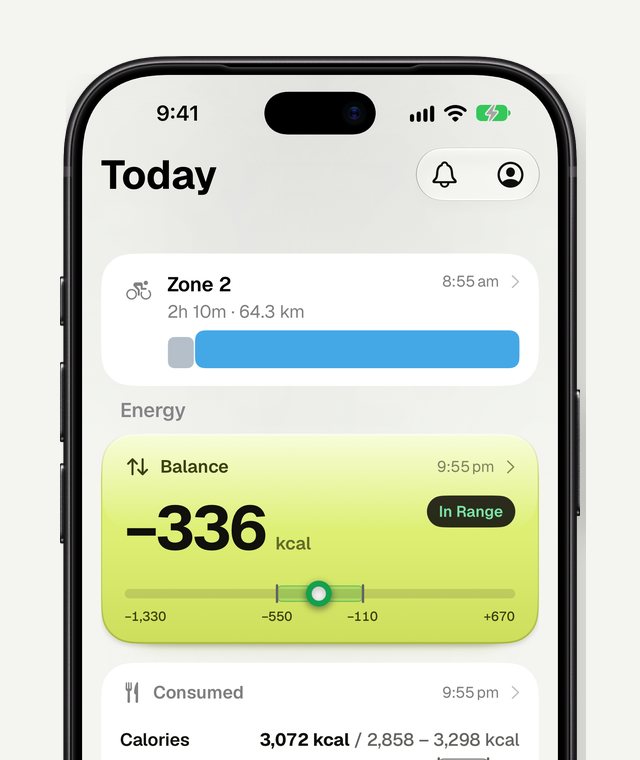
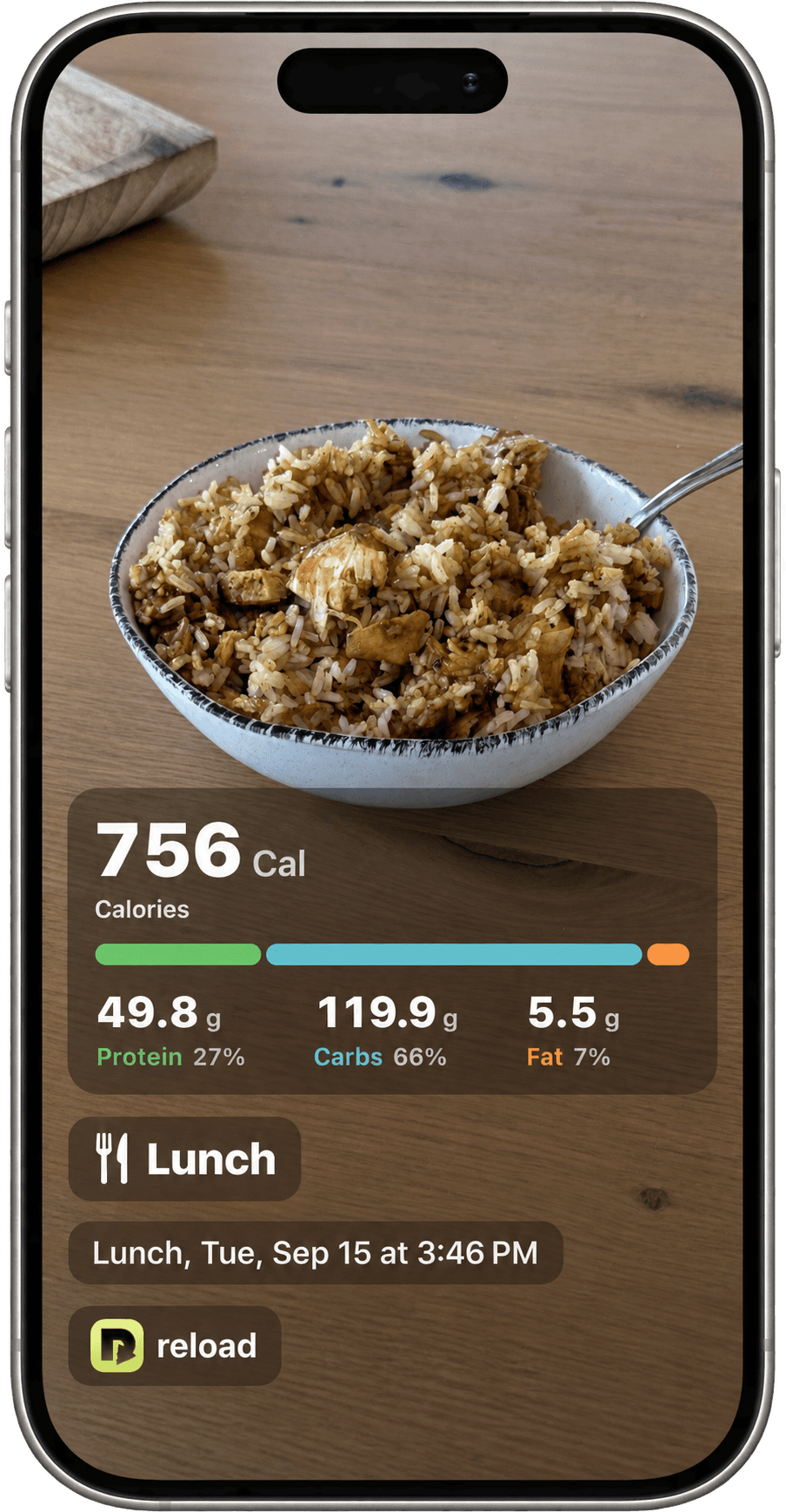
reload sets daily calorie, protein, carbohydrate and fat targets from the training you have done and the training you have planned, so the day of a long ride or long run gets different targets from a rest day. Each macro gets a target range rather than a single number, and the app shows how the day’s targets were built. The fuel tank is an estimate of stored glycogen from training load and food intake, shown as Topped up, Adequate, Underfueled or On reserve. It is a model estimate, not a measurement. You can log breakfast with search or barcode scanning. reload Max turns a photo or a short description into calories, protein, carbs and fat, and shows every portion so you can adjust it before saving. See /pricing.




FAQ
How long before a long run should I eat?
The guideline window is 1 to 4 hours before, with about 1 to 4 g/kg of carbohydrate [1]. A practical approach is a full meal 3 to 4 hours out, or a smaller, low-fiber snack if you only have an hour or two.
Is oatmeal a good breakfast before a long ride?
It can be. Oats are a whole grain, and the position paper favors low-fiber pre-event foods [1], so test oatmeal in training first, especially before long runs [6].
Should I eat protein before a long ride?
A small amount, yes. The position paper suggests pairing at least 1 g/kg of carbohydrate with a protein source, while keeping protein low to moderate in the pre-event meal [1].
What if I cannot eat early in the morning?
Use smaller, liquid-based carbohydrate such as juice or a milk-based drink in the last hour, which the position paper notes can suit athletes with pre-event nerves [1], then start fueling early in the session.
Scientific references10 sources, cited in the text as [1], [2] and so on
- 1Thomas DT, Erdman KA, Burke LM. 2016. Nutrition and Athletic Performance: joint position paper of the Academy of Nutrition and Dietetics, Dietitians of Canada, and the American College of Sports Medicine. Medicine & Science in Sports & Exercise 48(3):543-568. Full text via Dietitians of Canada: dietitians.ca/DietitiansOfCanada/media/Documents/Resources/noap-position-paper.pdf (DOI: doi.org/10.1249/MSS.0000000000000852)
- 2Aird TP, Davies RW, Carson BP. 2018. Effects of fasted vs fed-state exercise on performance and post-exercise metabolism: A systematic review and meta-analysis. Scandinavian Journal of Medicine & Science in Sports. doi.org/10.1111/sms.13054
- 3Iwayama K, Onishi T, Maruyama K, Takahashi H. 2020. Diurnal variation in the glycogen content of the human liver using 13C MRS. NMR in Biomedicine. doi.org/10.1002/nbm.4289
- 4Sherman WM, Brodowicz G, Wright DA, et al. 1989. Effects of 4 h preexercise carbohydrate feedings on cycling performance. Medicine & Science in Sports & Exercise. pubmed.ncbi.nlm.nih.gov/2691821/
- 5Chryssanthopoulos C, Williams C, Nowitz A, Kotsiopoulou C, Vleck V. 2002. The effect of a high carbohydrate meal on endurance running capacity. International Journal of Sport Nutrition and Exercise Metabolism. doi.org/10.1123/ijsnem.12.2.157
- 6Rehrer NJ, van Kemenade M, Meester W, Brouns F, Saris WH. 1992. Gastrointestinal complaints in relation to dietary intake in triathletes. International Journal of Sport Nutrition. doi.org/10.1123/ijsn.2.1.48
- 7Burdon CA, Spronk I, Cheng HL, O'Connor HT. 2017. Effect of Glycemic Index of a Pre-exercise Meal on Endurance Exercise Performance: A Systematic Review and Meta-analysis. Sports Medicine. doi.org/10.1007/s40279-016-0632-8
- 8Jeukendrup AE, Killer SC. 2011. The myths surrounding pre-exercise carbohydrate feeding. Annals of Nutrition and Metabolism. doi.org/10.1159/000322698
- 9de Oliveira EP, Burini RC, Jeukendrup A. 2014. Gastrointestinal complaints during exercise: prevalence, etiology, and nutritional recommendations. Sports Medicine. doi.org/10.1007/s40279-014-0153-2
- 10Impey SG, Hearris MA, Hammond KM, et al. 2018. Fuel for the Work Required: A Theoretical Framework for Carbohydrate Periodization and the Glycogen Threshold Hypothesis. Sports Medicine. doi.org/10.1007/s40279-018-0867-7

Live now on iPhone.
Choose your plan, check out on the web and get reload on your iPhone today. Android is coming to Google Play next, so join the Android list and you’ll be the first to know when it lands.

